
Best Online Medical Missionary Training

  1. Share
0 2

Medical missionary training is preparation—spiritual, practical, and relational—for serving others through health care in the name of Christ. Online options can help you build a foundation in missions training programs, understand the realities of the field, and take wise next steps toward medical missions. Medical missionary training does not replace the local church or the Holy Spirit’s leading, but it can equip you to serve with clarity and competence.

One of the best things many people discovered during the COVID-19 pandemic was how useful online learning can be. For those exploring medical missions, that means you can often begin medical missionary training with the click of a mouse. For many, medical missionary training online is not only possible, it is a practical way to start moving forward.


Key Takeaways

  • Start by discerning your personal call to medical missions through prayer, Scripture, and wise counsel before comparing missions training programs.

  • Understand that medical missionaries serve in many settings and roles, not only as doctors or nurses but also through support and public health work.

  • Choose medical missionary training that strengthens both spiritual formation and practical readiness, including sustainable habits and honest self-assessment.

  • Online medical missionary training works especially well for people testing a long-term interest, students needing flexibility, and volunteers seeking clear ways to serve.

  • Separate preparation from deployment by using mission training programs to get equipped and then exploring sending organizations when your direction becomes clearer.


Get Started with Medical Missions

Before comparing missions training programs, start with your personal call. As a Christ follower, God has a purpose for your life, and He often confirms direction over time through prayer, Scripture, and wise counsel. 

It also helps to be clear on terms. A missionary is not defined only by geography or job title. Many medical missionaries serve through clinics, hospitals, public health efforts, training local providers, or supporting teams that bring care and the gospel together.

Medical missionary training is not limited to doctors and nurses. In fact, many mission training programs are designed for people who are not licensed medical professionals. Skills such as nutrition education, hygiene training, administration, logistics, children’s ministry, and basic counseling can support long-term health and wholeness in many contexts.

As you prepare, build a rhythm of spiritual disciplines that can sustain you when ministry feels costly. Prioritize Bible study, prayer, and fellowship with other believers. At the same time, take your own health seriously. Honest self-assessment matters because you cannot offer steady care to others while ignoring what is happening in your own soul, body, and relationships.


Who Online Medical Missionary Training Is For

Online medical missionary training tends to fit three kinds of people especially well.

First, it serves people who sense a growing interest in missions and want to test whether that desire persists over time. Second, it serves students and early-career professionals who need flexible learning while they study or work. Third, it serves volunteers who are ready to support medical teams but are not clinicians, and want a clear, responsible role.

A common thread is a willingness to prepare rather than rush. When someone seeks medical missionary training, it often signals a desire to serve well, not simply to have an experience.


Training Programs and Sending Organizations

It helps to separate training from deployment. Medical missionary training programs focus on preparation: biblical foundations, cultural understanding, team dynamics, health-related basics, and ministry expectations. Sending organizations focus on placement: where you will go, what team you will serve with, what support you will have, and what requirements must be met.

Many people benefit from starting with missions training programs, then exploring a sending pathway once their call, skills, and season of life become clearer.


A Few Online Medical Missionary Training Options

The final step toward online medical missions training is finding the right kind of program. Again, talking with others—especially other medical missionaries who have experienced what you want to pursue—can be incredibly valuable. You’ll also want to make sure the program you choose fits your theological and missional values. Many denominations and organizations approach medical missions—and, thus, medical missions training—from different perspectives. So, do some research to make sure your potential training program aligns with your beliefs and goals.

Jesus’s ministry involved preaching, teaching, and healing. While you are not God’s Son, you can follow His model by promoting solid evangelism, ongoing discipleship, and compassionate health care through medical missions. Here are some organizations that provide some level of online training for medical ministry:
 

  1. Community Colleges and Christian Universities. Perhaps the easiest way to receive online training for medical missions is to look into earning an associate’s or bachelor’s degree. Local community colleges can provide basic training in important areas. Meanwhile, many Christian universities offer online programs that provide the theological training along with two-year or four-year degrees in areas such as nutrition or health science.

    medical missions


  2. Wildwood Center for Health EvangelismThis Georgia-based program affiliated with Seventh-Day Adventists (SDA) offers online programs in health evangelism. The program includes introductions to physiology and diseases, as well as nutrition, mental health issues, and various forms of therapy.
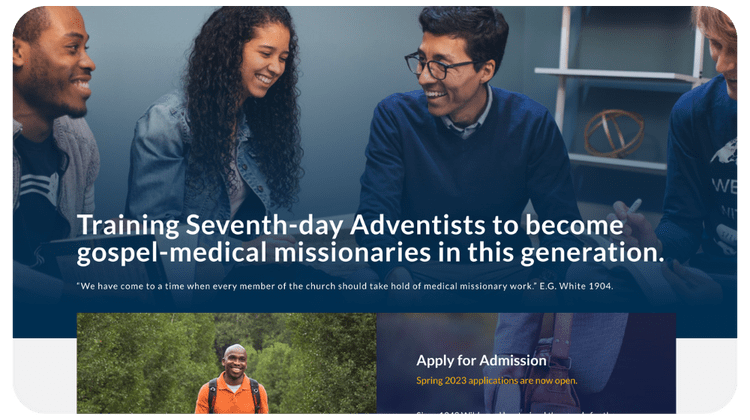
    medical missionary training online


  3. Med Missionary Training. This online program seeks to marry biblical principles with effective scientific research. The six-week course, also affiliated with SDA, emphasizes natural remedies and effective use of proper nutrition and diet.

    Medical missionary training online


  4. Medical Missions Outreach. In general, this organization provides short-term mission trip opportunities for medical professionals and volunteers. Training is available for non-professionals, equipping them to assist doctors and nurses on the field. This could be an option for someone wanting a taste of medical missions or seeking to clarify their call.
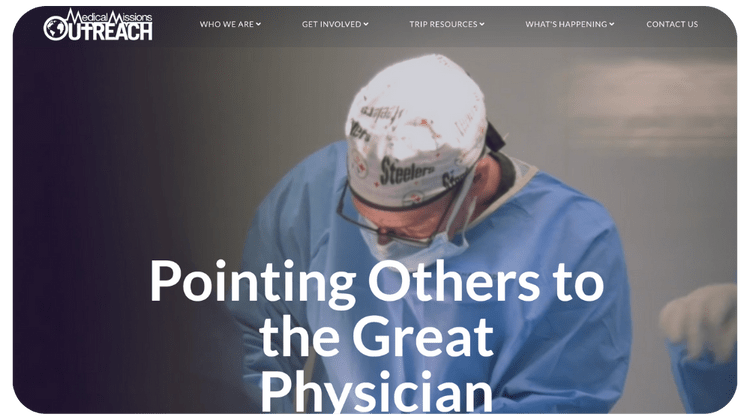
    Medical missionary training online


Cost and Practical Support

Many medical missionary training options are affordable compared to traditional degree programs, and some missions training programs are modular, meaning you can build skills over time. Even so, finances often feel like a barrier. Support raising is common in missions, and it is not limited to long-term workers.


The Need Is Real

We live in a world filled with hurting people. Some suffer with physical illness, while others carry spiritual pain, isolation, and fear. Medical missionary training matters because preparation shapes endurance. It helps you show up with steady compassion, realistic expectations, and a posture of service rather than control.

As you move forward, cover your steps in prayer. Even the best medical missionary training cannot replace the role of the Holy Spirit and the call of Christ on your life. His presence is not optional for any mission endeavor (Matthew 28:18–20).

If you want focused exposure to the broader world of healthcare missions, consider attending GMHC 2026 and connecting with organizations, training pathways, and people who have walked this road for years.


Take a Next Step in Short-Term Missions

Medical missionary training often becomes clearer when learning connects to action. Serving short-term can reveal strengths, uncover gaps, and confirm whether you should pursue additional mission training programs for a longer season. Explore short-term mission trip opportunities and look for roles that match your skills, your maturity, and the kind of team you can serve with faithfulness.


Related Questions


What is a medical missionary?

A medical missionary is someone who uses health care skills or support roles to serve people and share Christ through compassionate, ethical care.


Do missionary doctors get paid?

Some are supported through salary structures or partner organizations, but many rely on fundraising and support from churches and donors.


What skills are needed on medical missions?

Teams need clinical care, public health basics, cross-cultural communication, administration, logistics, and a steady commitment to servant-hearted teamwork.


What do you do on a medical mission trip?

You serve alongside a team to meet real health needs—often through clinics, education, outreach, and support roles—while living out the gospel in word and deed.
 

Community tags

This content has 0 tags that match your profile.

Healthcare Specialties

Comments

To leave a comment, login or sign up.
  • Daniel ONeill

    Daniel ONeill

    Here is a 12-week on-line course on global health missions presented at GMHC in 2021: https://www.cghiperspective.com/ New cohort starting Jan 2023
  • Daniel ONeill

    Daniel ONeill

    Also, please add this new video-based resource from Lausanne Global Classeoom called Health for all Nations: https://lausanne.org/lausanne-global-classroom/health-for-all-nations-episode

Related Content

0
Physical Therapy Mission Trips
Physical therapy Christian mission trips are short-term or long-term opportunities for licensed therapists and students to restore movement, reduce pain, and help people function better in underserved communities. These trips often focus on rehabilitation, mobility training, and patient education where physical therapy services are limited or unavailable. They can involve clinic-based care, community outreach, and training patients or caregivers to continue exercises between visits.   Key Takeaways Physical therapy Christian mission trips address a growing need for rehabilitation by helping patients improve mobility and daily function through movement-based care. Physical therapists treat injuries, neurologic conditions, pediatric mobility issues, and amputations while emphasizing education and practical home programs. These trips can be short-term or long-term, depending on your experience, availability, and the needs of the host community. Effective service requires proper licensure, strong communication skills, and the ability to work in resource-limited settings. Choosing the right organization and planning financially in advance helps ensure your mission involvement is responsible and sustainable.   What Are Physical Therapy Christian Mission Trips? Most people picture medical missions as doctors and nurses providing urgent care. That work matters, but the definition of “medical missions” has expanded. One of the fastest-growing needs in many settings is rehabilitation. Physical therapy Christian mission trips meet that need by helping people improve mobility and function through movement-based care. That can include stretching, strengthening, balance training, gait training, and practical strategies that help people return to daily life. Physical therapy mission trips also fill a unique gap on many teams. Physicians and nurses can diagnose and treat illness, but most do not have the training to provide specialized rehabilitation. A physical therapist can serve in a way few other clinicians can.   What Physical Therapists Do on Mission Trips Physical therapy mission trips vary by country, organization, and setting, but the goals are usually the same: reduce pain, improve function, and teach people how to keep making progress after the visit. Common areas of care include: Post-injury rehabilitation for fractures, burns, and soft-tissue injuries Neurologic rehabilitation for stroke survivors who need to relearn movement patterns Pediatric mobility support for children with developmental delays or congenital conditions Prosthetic and gait training for amputees Workplace injuries, chronic pain, and musculoskeletal limitations Even when equipment is limited, strong assessment skills and patient education go a long way. Clear home programs and caregiver coaching often matter as much as hands-on treatment.   Short-Term vs. Long-Term Service Not all physical therapy Christian mission trips look the same. Short-term trips often last one to two weeks and focus on high-volume patient care, basic mobility training, and triage for follow-up needs. These trips work best when they partner with local clinics or ongoing teams that can continue care. Longer assignments may last several months or more and typically involve deeper involvement with clinics, hospitals, or community health programs. You may see more complex cases, contribute to systems of care, and support long-term rehabilitation services. The right fit depends on your season of life, experience level, and the needs of the field.   Qualifications and Licensure Most sending organizations will confirm your qualifications and licensure before placing you. Physical therapy is a regulated profession, and teams need to protect patients and comply with local requirements. In many cases, an active license from your home country meets basic expectations, but it does not replace local laws or facility policies. Some countries or host hospitals require additional documentation, supervision, or temporary authorization. Beyond licensure, effective physical therapy mission trips often require: Strong communication and teaching skills Flexibility across age groups and conditions Comfort working in a team with limited resources Leadership and calm decision-making in unfamiliar settings Breadth helps. A therapist who has experience with orthopedics, neurology, pediatrics, or geriatrics will often adapt more smoothly to the range of needs on the field.   Is This the Right Direction? Many clinicians feel a pull toward missions but struggle to name what that means for their specific skill set. Physical therapy Christian mission trips can be a wise next step when you want to serve in a hands-on, practical way that supports long-term recovery and daily function. If you’re weighing how God may be leading, praying and seeking discernment from godly people you trust is a must.   How to Find the Right Opportunity Because physical therapy Christian mission trips are more specialized than many general medical trips, not every organization knows how to place therapists well. Look for opportunities that: Clearly describe the role of rehabilitation on the team Provide reliable clinical oversight or clear referral pathways Coordinate with local partners who understand ongoing needs Set expectations about caseload, setting, and scope of practice Events and networks that connect healthcare professionals with mission organizations can also help. Job boards and mission-focused directories can surface opportunities you may not find through a general search. You may also see teams that require pre-trip orientation or clinical preparation. Some organizations point volunteers toward medical missionary training to ensure teams serve responsibly and effectively.   Cost and Support Raising People often search for physical therapy mission trips because they want to go, but they are unsure how to pay for it. Costs vary widely based on location, trip length, housing, flights, and whether the organization covers in-country expenses. Some clinicians self-fund. Others raise support through their church, community, and personal network. Clear communication, a simple budget, and a realistic timeline make support raising more effective.  If you’re considering physical therapy Christian mission trips as part of your long-term calling, planning for finances early can remove friction and help you commit with confidence.   Take the Next Step If you want to explore physical therapy Christian mission trips that fit your training and availability, start by browsing long-term mission opportunities and narrowing by role, location, and trip length. A clear next step often comes from seeing real openings and matching them to your skills.   Related Questions   How much does a mission trip typically cost? Costs vary by destination and length, but many short-term trips range from a few thousand dollars to several thousand dollars.   Do churches usually pay for mission trips? Some churches offer partial or full support, but many missionaries combine church support with individual fundraising.   What is a good prayer before going on a mission trip? Ask God for humility, wisdom, protection, and love for the people you will serve.   What does the Bible say about mission trips? Scripture calls believers to make disciples among all nations and to serve others with the gifts God provides (Matthew 28:19–20; 1 Peter 4:10).  
0
How to Share Your Testimony on a Mission Trip
Your testimony is your story of what God has done in your life, past and present, and sharing it is one of the most powerful ways to point people to Jesus. If you’ve ever wondered how to share your testimony on a mission trip, you’re not alone. Many people feel the weight of getting it “right,” but personal testimonies aren’t about perfect delivery—they’re about showing how the gospel is real, alive, and personal. Key Takeaways A testimony is more than a one-time moment—it reflects both how you came to know Christ and how He continues to work in your life. Sharing your testimony makes the gospel visible by showing how faith is lived, not just believed. Personal stories often build trust across cultures, especially where relational credibility matters more than abstract teaching. A simple structure—before Christ, meeting Christ, and life after—helps keep your testimony clear and centered on Jesus. God uses honest, imperfect stories to plant seeds of faith, even when sharing feels small or uncertain.   What Is a Testimony, Really? A testimony is not just the story of how you became a Christian. It includes that, but it also includes the ongoing story of what God is doing in your life now. Think of it as your lived experience of grace: how Jesus met you, how He’s still working in you, and how the gospel has shaped your everyday life. For Christian missionaries, testimonies can highlight both the moment of salvation and the long journey of walking with Christ in daily life. The Bible is filled with personal testimonies—from the man born blind who simply said, “...I was blind, now I see” (John 9:25), to Paul’s powerful story of radical transformation. Paul’s testimony wasn’t just about his past—it revealed how God called him and the mission he was sent to carry out.   Why Your Testimony Matters When you share your testimony, you’re doing more than telling a story. You’re making the gospel visible. The Word of God moves powerfully when people speak boldly, humbly, and personally about Jesus. Testimonies are especially impactful across cultures. In some places, like honor and shame cultures, your story can build trust in ways abstract teaching can’t. Your vulnerability might be what opens the door to deeper conversations. The gospel isn’t just a message to be preached—it’s a truth to be lived. And your life, with all its mess and beauty, is part of how God reaches others.   How to Structure Your Testimony There’s no one right way to share your testimony, but this simple three-part structure can help:   1. Before What was your life like before you knew Christ or before God moved in this specific area of your life? You don’t need to over-explain or glorify past sin—just give enough context for people to see the contrast.   2. The Turning Point How did God meet you? This might be your salvation moment, along with a time when the Holy Spirit brought breakthrough, conviction, or healing. Focus on Jesus. Make the gospel clear.   3. After What changed? How is God still working in you? This part is ongoing. Share what you’re learning, what you’re still struggling with, and how God is meeting you today through His promises. Keep it simple. You’re not writing a sermon. You’re giving people a window into the grace of God through your life.   Tips for Sharing Your Testimony Here are a few things to keep in mind as you prepare to share: Know your audience. Think about cultural context and language barriers. Short, clear stories often connect better than long explanations. Avoid Christian jargon. Say “I prayed” instead of “I had a quiet time.” Say “I felt distant from God” instead of “I was in a spiritual dry season.” Practice, but don’t memorize. You want to be familiar with what you’re saying, but it should still sound natural. Be humble. Your testimony is about what Jesus has done—not about your strength or ability to overcome. Be ready to listen. Sharing your story can open doors for others to share theirs. Be quick to listen and slow to speak.   God Uses Imperfect Stories If you’re nervous to share your testimony, you’re not alone. Even Paul, after his dramatic conversion, faced hesitation from others. But God doesn’t need your story to be impressive—He just asks you to be faithful. Your story might connect with someone who needs to know they’re not too far gone, or that God still heals, or that faith is possible in the middle of suffering. Sometimes, sharing your story might feel small. But in God’s hands, even a short testimony can plant seeds that grow for eternity.   Use Your Story Where God Sends You If God has given you a story, and He has, He’s also given you opportunities to share it. Your gifts, your job, and your testimony can all be part of His mission. You don’t have to go on a mission trip to share what God has done in you. Sharing your testimony can happen in your career. And if you want to take your career overseas, then marketplace missions may just be a good fit for you.    Related Questions   What should you not do when sharing your testimony? Avoid exaggeration, unnecessary details, or making yourself the hero of the story.   What is an example of a good testimony? A good testimony clearly points to Jesus, shares a personal encounter with Him, and connects with the listener’s life.   How do you share a testimony in 30 seconds? Focus on your need for a savior and how Jesus fills that need.    How long should a testimony be? Aim for two to three minutes, unless you’re invited to go deeper.